




Crafting Useful Posts: My Guiding Principles
12 January 2026 · Loïc Ribet · 4 min · Updated: 21 February 2026
I can’t believe it’s already been over nine months since I published my first article. But here I am, ready to be more active on this blog once again with this new year, even though it is not a new resolution.
Before I dive into writing about tech, transformation, best practices and all the other good stuff transforming the Legal and Compliance world, I want to lay a few cards on the table.
Given my beliefs that strong foundations are needed for anything I do, I feel that my second post is the perfect timing to define some guiding principles. I am not talking about rigid rules, but rather a personal compass to keep me on track. They're also here to help you, the reader, understand what to expect from this blog.
Initially, I did not intend to write a post about them. However, I was inspired after watching a play adaptation of 'Animal Farm,' where a new era is marked by new principles.
So I thought: "Why not writing my principles?".
These principles aren’t set in stone. Think of them as a friendly, non-binding agreement between us, a shared understanding of how I plan to approach writing here.
At the Core: Usefulness
Above all, I want this blog to be useful. That’s the whole point. I don’t want to waste my time writing content that helps or inspires no one and I definitely don’t want you to waste your time reading it. I’m still learning how to write informative content and expect to improve over time, but usefulness will always be my north star.
The Principles
To stay aligned with that goal, here are the principles I’m setting for myself:
Principle 1. I will minimize knowledge assumptions
One of the most frustrating things I encounter online, especially in a situation like mine, is content that assumes too much about my background (technical or experience-wise). I often have to interrupt myself to decipher the meaning of what I am reading, even from articles supposedly written for beginners.
I get it: many writers are tech experts surrounded by other specialists. It probably doesn’t occur to them that someone from legal or compliance might be reading. So they assume that what they consider basic knowledge is known by all.
But that's not the case. And as a consequence, those articles sometimes generate more questions than answers.
This is exactly why I started this blog.
I want to minimize the assumptions I make about your technical knowledge. Of course, I won’t always get this right. Sometimes I’ll assume something unintentionally. We all make assumptions. When that happens, I’ll do my best to acknowledge it and link to helpful resources.
Principle 2. I will explain things in simple terms, avoiding unnecessary complexity
Richard Feynman has always been a source of inspiration for me, not just because of my love for physics and science, but also because of his uniquely engaging teaching style. He firmly believed that true understanding lies in simplicity.
Some tech topics can get complex fast but that doesn’t mean the explanation has to.
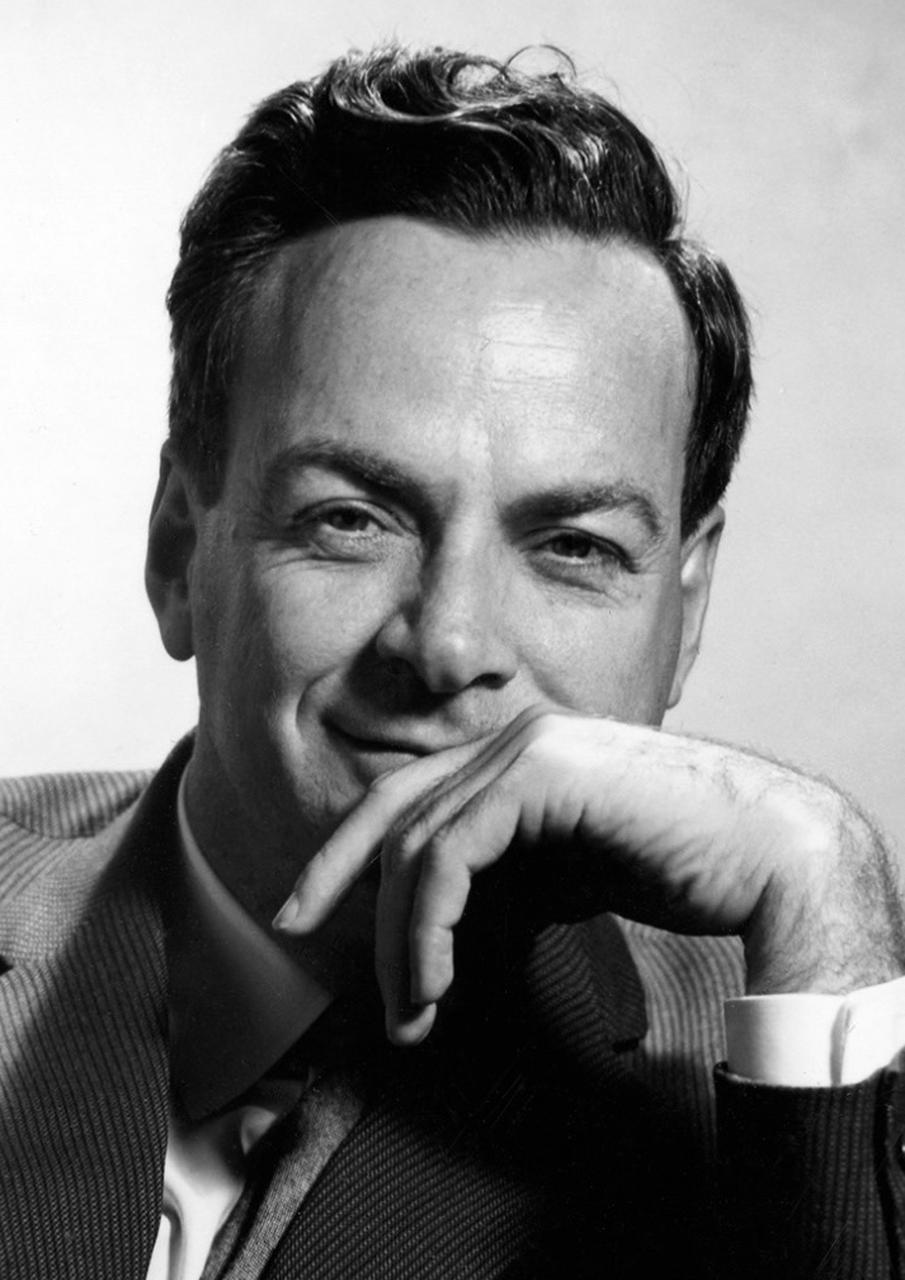
Richard Feynman (1918-1988), US physicist and Nobel Laureate. Photo from the Nobel Foundation archive.
Principle 3. I will only write what I understand
This one’s more of a note to myself, but I think it’s worth sharing. It’s a corrolary of the previous principle.
If I can’t explain something clearly, it probably means I don’t understand it well enough myself. Therefore, I should not try to explain it to other people. In those cases, I’ll either:
- Skip the topic for now
- Write about it, while clearly stating my limitations (which can still be valuable)
- Go back, study more, and return to it later
Principle 4. I will write actionable articles
To be truly useful, this blog needs to be practical.
I want to write guides and how-to articles that you can follow step by step and apply on your own. Theory has its place, but I’m focused on real-world applications you can use in your work. This won’t apply to every post, but when an article is meant to be a sort of tutorial, it should be actionable for all my readers.
Principle 5. I will build a space for curious people
This blog isn’t just about me writing and you reading. I know it's what a blog is supposed to be but for me, it's also about finding people who care about the same questions—people who want to learn, question, challenge, and build. Whether you work in legal, compliance, tech, or you're just a curious human, I want this to feel like a space where you belong.
Right now, I’m still figuring out the best way to make this interactive, since I don’t have and don’t want a comment section. But it’s something I’m working on.
One Step at a Time
So that’s the plan. These principles are here to keep me focused and to help you know what to expect. I’ll do my best to stick to them and hopefully, you’ll be able to say this blog is genuinely useful.
If you have thoughts or ideas about this approach, I’d love to hear from you—once I figure out the best way to open up the conversation!